

ADVOCATES QUESTION GENERAL PERMIT PROPOSAL FOR DATA CENTER DISCHARGES TO OHIO’S WATERWAYS
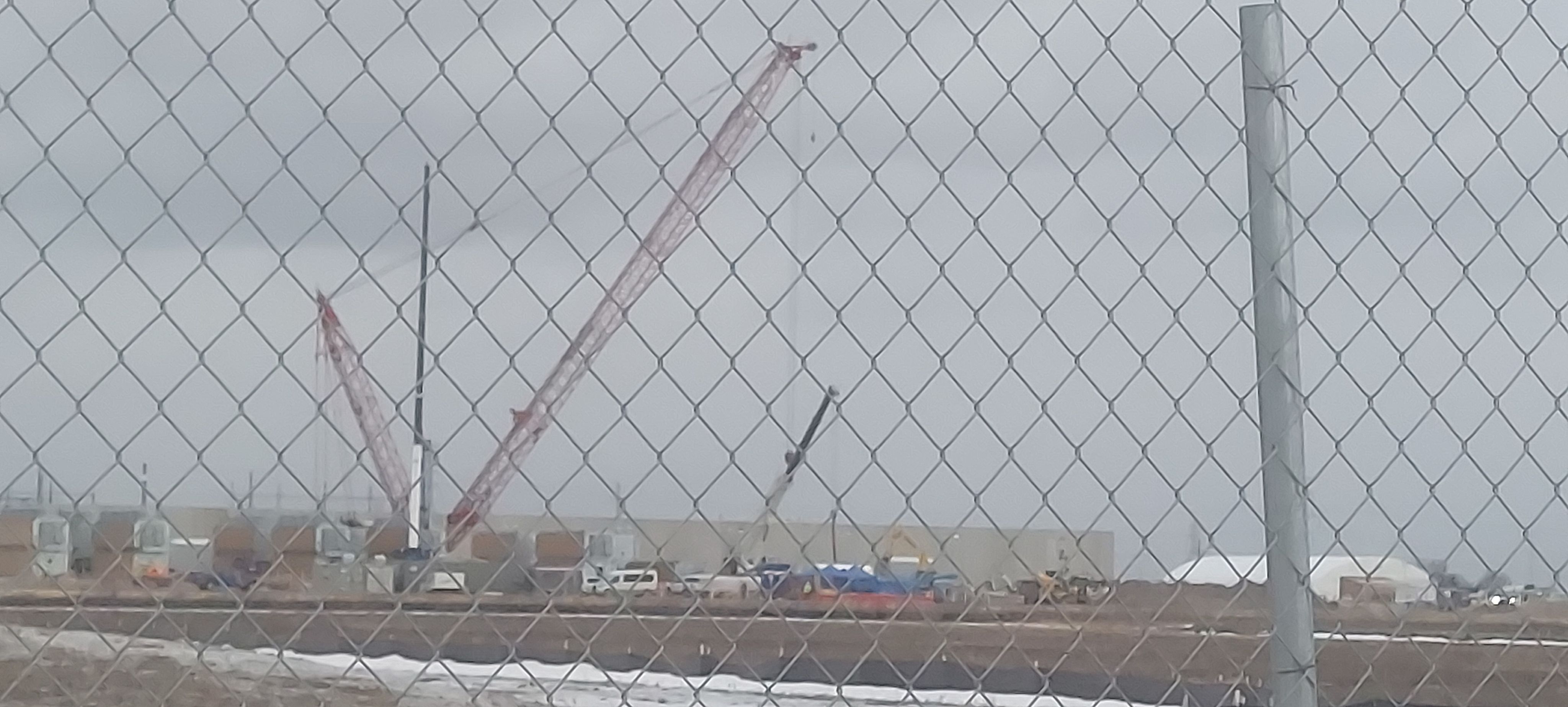
Meta building a large center in Wood County Ohio - most people had no idea it was being negotiated under the shell company, Liames LLC, under the code name Project Accordion
OHIO EPA'S USE OF GENERAL PERMITS SHOULD BE PROTECTIVE OF WATER RESOURCES
BOWLING GREEN, OH, UNITED STATES, December 11, 2025 /EINPresswire.com/ -- Concerned Ohioans recently learned about the Ohio EPA’s general draft permit for data centers which can fast-track the permitting of water discharges, called National Pollutant Discharge Elimination System (NPDES) permits. Public comments for the draft permit must be submitted by the December 17, 2025 5:00 pm deadline. There will be an in person hearing in Columbus that day at 2:30 pm at the Ohio EPA Lazarus Government Office. There is also a virtual attendance option; however, registration for that is required in advance at this link: https://register.gotowebinar.com/register/921004166332343646. If you plan to provide oral comments in person on 12/17, you should notify mary.mccarron@epa.ohio.gov and bring a photo ID. People are encouraged to participate in person, virtually or via written comments. FreshWater plans to provide comments and request a 90-day extension because so few people knew of the draft permit, which appears to fast track data centers without adequate regulation for discharges, especially for hyperscale data centers.An extension of the permitting deadline is needed to understand the justification and necessity of a general NPDES permit. Data centers vary greatly in operations and in size from 50 to over 500 acres. “Granting all data centers the ability to obtain a general NPDES permit, especially considering the size and operating variations, as well as the different chemicals that could be present in the effluent, would be negligent,” stated Dr. Randi Pokladnik, Board member of Ohio Valley Environmental Advocates. Concerns are that general, blanket permitting would lump all data centers together to fast-track permitting, despite significant variations in discharges as well as important differences in regional and cumulative water impacts (https://theconversation.com/data-centers-consume-massive-amounts-of-water-companies-rarely-tell-the-public-exactly-how-much-262901).
There is increasing concern about the massive buildout of data centers and the detrimental effect on water quantity and quality over time if not adequately regulated. The draft NPDES fact sheet states: “It has been determined that a lowering of water quality of various waters of the state associated with granting coverage under this permit is necessary to accommodate important social and economic development in the state of Ohio.” An important question being asked of the Ohio EPA is how the lowering of water quality is justified, especially when important drinking water sources such as the Maumee and Ohio Rivers are already impaired? The last two years of drought in Ohio adds to public concerns about water quantity and quality.
General permits are normally used as protective measures. The Ohio EPA states that general permits are used to cover discharges that will have a minimal effect on the environment (https://ohioepa.custhelp.com/app/answers/detail/a_id/913/~/individual-and-general-npdes-permits-for-industrial-wastewater-discharges). Lowering of water quality is not a minimal effect. “The cumulative impact of hundreds of data centers on Ohio’s water quantity and quality has not been assessed, and this needs to be done before permitting more data centers,” stated Lea Harper, Managing Director of FreshWater Accountability Project.
There is a growing need to protect Ohio’s water from further depletion and contamination, such as that which is already caused by the fracking industry due to inadequate regulation and oversight. Like fracking, data centers can consume a massive amount of water that is not returned to the ecosystem. Large data centers can consume up to 5 million gallons a day of freshwater on average with up to 80% of the water evaporated for cooling, greatly concentrating pollutants in discharged water (https://www.eesi.org/articles/view/data-centers-and-water-consumption).
An important issue to be addressed in data center air and water discharges is Per and Polyfluoroalkyl Substances (PFAS), often termed ‘Forever Chemicals’, which play a key role in refrigerants and cooling systems. These chemicals are toxic, persistent and pervasive. The General Accountability Office has stated that PFAS—“Forever Chemicals”—May Be the Biggest Water Problem Since Lead. Fracking also uses PFAS chemicals without adequate regulations to ensure they are not released into the environment. It is common sense that no new industry should be permitted to use PFAS chemicals to avoid increased cumulative impacts in the environment. Knowing that data centers can use forever chemicals (https://www.theguardian.com/environment/2025/oct/04/pfas-pollution-data-centers-ai) and that there is no regulation for the discharge of those chemicals is of great concern. This can add to the serious problem of pervasive forever chemical accumulation that is growing in Ohio and across the US. The Ohio EPA has a PFAS Action Plan for existing PFAS contamination and will host a Triennial Review with comments due January 16, 2026, which will be a good opportunity to provide comments to insist on stricter regulation of PFAS chemicals. Without such regulations, there could be costly burdens to drinking water treatment plants tasked with removing harmful chemicals.
NPDES permits are an important way to protect public drinking water by limiting discharges of harmful chemicals by industry and wastewater treatment plants which are already over-burdened and under-resourced. The USEPA’s Clean Watershed Report states a projected cost of $630.1 billion is needed for wastewater treatment plant upgrades over the next two decades (https://www.epa.gov/cwns).
Taxpayers do not want another industry like fracking to externalize their costs upon them. Data centers can also increase electrical costs for ratepayers. Combined with the tax abatements that are routinely given to data centers, there are serious economic as well as environmental downsides. Ohio already has a tax exemption for the sale, storage and use of the equipment by data centers. Furthermore, tax revenue and prime agricultural land are lost to lure data centers while it is increasingly clear that many communities do not want them.
Ohio already has 215 data centers, with little study of water consumption and cumulative impacts. Some data centers have been planned using non-disclosure agreements, so that by the time the project is discovered it is too late. Ohioans are increasingly demanding better protections from the degradation and destruction of water by industries like fracking and data centers.
For those who are concerned with the rapid proliferation of data centers, please consider providing comments to the Ohio EPA by 12/17 on the draft NPDES permit and reach out to Freshwater Accountability Project (https://fwap.org/) or Ohio Valley Environmental Advocates (https://oveadvocates.org/) for more information.
Leatra J. Harper
FreshWater Accountability Project
+1 4194507042
email us here
Legal Disclaimer:
EIN Presswire provides this news content "as is" without warranty of any kind. We do not accept any responsibility or liability for the accuracy, content, images, videos, licenses, completeness, legality, or reliability of the information contained in this article. If you have any complaints or copyright issues related to this article, kindly contact the author above.
