

Common Driving Theory Test Mistakes to Avoid
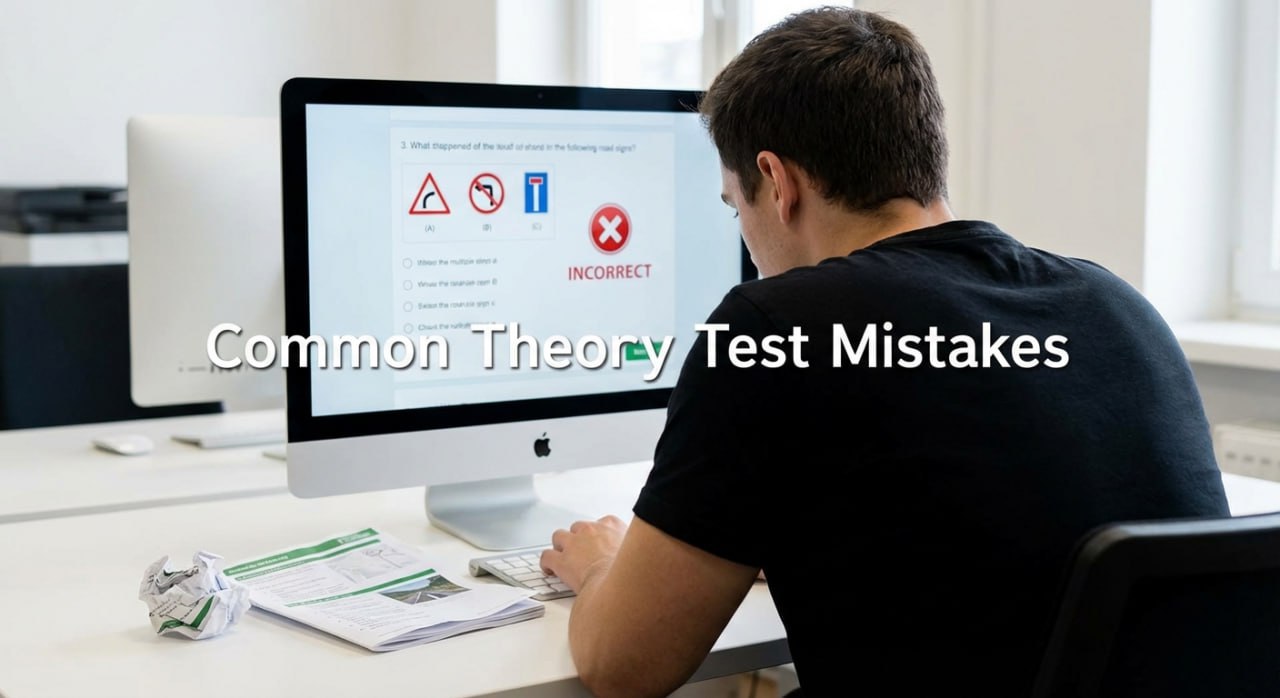
common mistakes in driving theory test
Common theory test mistakes can cost you a pass. Learn practical tips to avoid them and improve your chances on test day.
Before Luma, I failed mocks by just memorising answers. The app taught me the reasoning and hazard perception, so I felt confident and passed my theory first time.”
UNITED KINGDOM, March 5, 2026 /EINPresswire.com/ -- Many learners believe passing the UK driving theory test depends on being naturally good at exams, but in reality most failures happen because of a few common and predictable mistakes. Small errors can quietly reduce your score until the result falls just below the pass mark.— David
The UK theory test, administered by the DVSA, has two parts: multiple-choice questions and hazard perception clips. Both must be passed during the same test session. This means someone might perform well in one section but still fail the test overall because the other section did not reach the required score.
For many learners, the challenge is not understanding the material but preparing in a way that actually reflects how the test works. When revision methods do not match the exam format, even well-prepared learners can struggle on test day.
One of the most common mistakes is treating revision as memorising answers rather than learning the rules behind them. Many learners practise questions repeatedly until they recognise the answers, but the DVSA often rephrases questions or presents them in different scenarios. Without understanding the reasoning behind road rules, it becomes difficult to answer questions that appear in a slightly different format.
Important topics that appear regularly in the theory test include stopping distances, road signs, speed limits, motorway rules and right-of-way situations. Instead of memorising individual answers, learners benefit more from understanding how these rules apply in real driving situations. This approach makes it easier to respond to different types of questions based on the same concept.
Timed practice is another area where many learners fall short. There is a significant difference between knowing the material and being able to recall it quickly under exam conditions. Many people practise casually without time limits, only attempting a full mock test shortly before the real exam. When the pressure of a timed environment appears, mistakes become more likely.
Structured revision helps solve this problem. Short daily study sessions can build a solid foundation, followed by timed quizzes and mock tests as the exam date approaches. Tracking weak areas after each practice test allows learners to focus on the topics where they lose the most marks.
Platforms designed specifically for theory test preparation can help create this structure. Luma, available at lumadrivingtheory.co.uk, is a learning platform designed to make theory test revision more organised and manageable. The platform provides practice questions and hazard perception training designed to reflect the style of the real DVSA exam.
One Luma user shared their experience after preparing with the platform: “Before Luma, I failed mocks by just memorising answers. The app taught me the reasoning and hazard perception, so I felt confident and passed my theory first time.”
Another frequent issue in the theory test is misunderstanding the wording of questions. DVSA questions often include key words such as “NOT,” “EXCEPT,” or phrases like “MOST likely.” Missing one of these words can change the meaning of the question completely. Learners who skim through questions too quickly can lose marks even when they know the correct rule.
Road signs and road markings also account for many lost points. These questions are usually straightforward once the signs are recognised, but learners often underestimate how frequently they appear. Signs related to roadworks, motorway signals, lane markings and bus lanes are especially common in the test.
Stopping distances are another topic that causes confusion. Many learners assume stopping distance increases gradually with speed, but in reality it grows much more quickly as speed rises. Weather conditions, tyre condition, and driver reaction time also affect how far a vehicle travels before it stops. Understanding these relationships helps learners answer both direct questions and scenario-based ones.
Hazard perception is the part of the theory test that many candidates underestimate the most. Unlike multiple-choice questions, this section requires observation and timing. Learners must recognise developing hazards in short video clips and respond at the right moment to score points.
Waiting until the last minute to practise hazard perception can lead to poor timing and uncertainty. Effective preparation involves watching clips regularly and learning to identify patterns, such as pedestrians near crossings, vehicles emerging from side roads, cyclists approaching junctions, or cars slowing unexpectedly in traffic.
Clicking strategy is also important during hazard perception. Some learners try to click repeatedly to ensure they capture the scoring window, but excessive clicking can cause the system to award zero points for that clip. A calmer approach - clicking when a potential hazard appears and again as it develops - usually produces better results.
Another overlooked factor in theory test success is test-day preparation. Arriving late, bringing incorrect identification, or rushing through the process can increase stress before the exam even begins. Planning the journey to the test centre, arriving early and avoiding last-minute cramming can help maintain focus.
Even after passing the theory test, learners often face another challenge: long waiting times for practical driving tests. Booking delays can slow down progress and reduce confidence. Services such as TestHunter, available at testhunter.co.uk, help learners search for earlier driving test cancellations so they can move their practical test date forward when they feel ready.
Many learners who successfully pass their theory test find that maintaining momentum between tests is important. Continuing lessons, reviewing key Highway Code rules and practising consistently can make the transition to the practical test much smoother.
In most cases, failing the theory test is not random. It usually happens because of specific patterns: memorising answers instead of understanding rules, skipping timed practice, missing key words in questions, weak knowledge of road signs, misunderstanding stopping distances, or leaving hazard perception practice too late.
Understanding road rules, practising regularly, and staying calm on test day improves the chances of passing. Luma at lumadrivingtheory.co.uk supports structured theory test preparation, while TestHunter at testhunter.co.uk helps learners find earlier practical test dates.
Luma: Driving Theory
DMV Practice Test LLC
email us here
Visit us on social media:
YouTube
TikTok
Legal Disclaimer:
EIN Presswire provides this news content "as is" without warranty of any kind. We do not accept any responsibility or liability for the accuracy, content, images, videos, licenses, completeness, legality, or reliability of the information contained in this article. If you have any complaints or copyright issues related to this article, kindly contact the author above.
