
Middle East Tensions, Venezuela Constraints Strain China’s Oil Supply
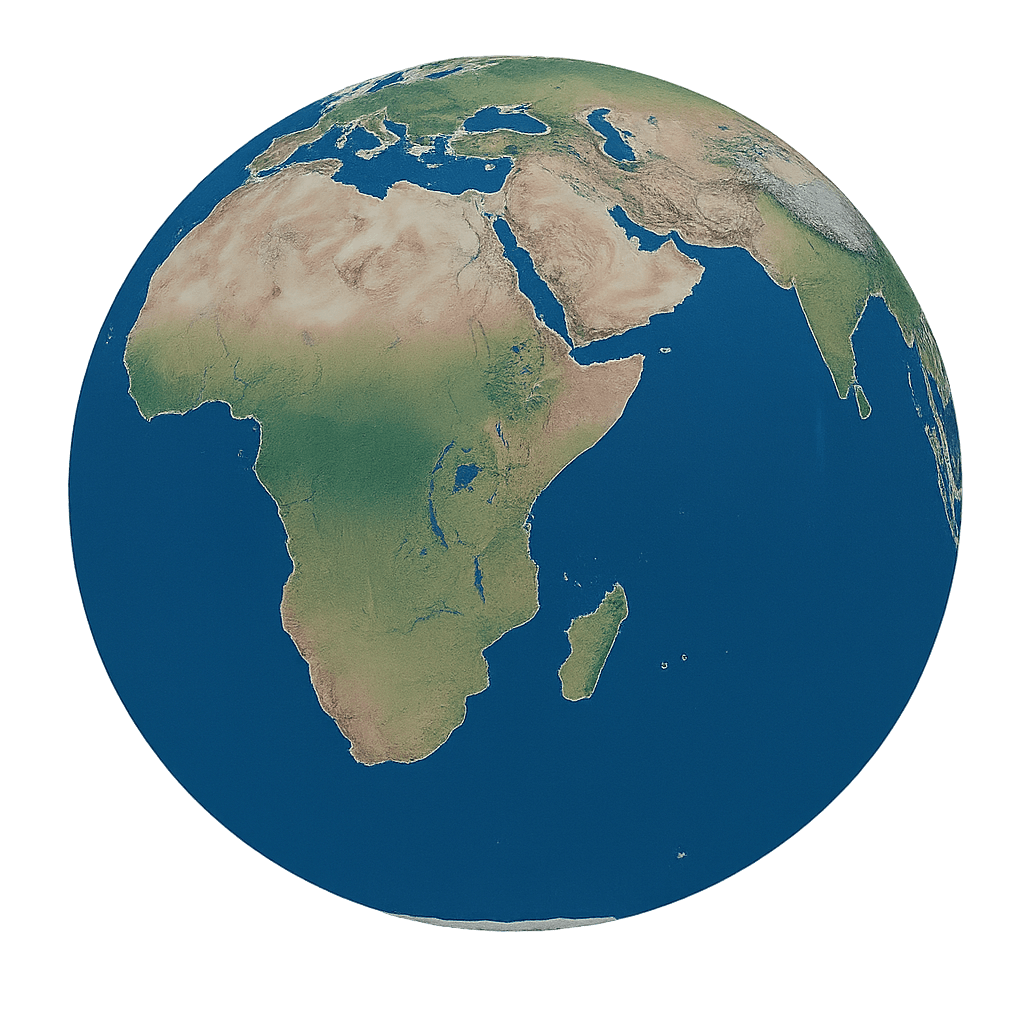
China, recognized as the globe’s largest importer of crude oil, is projected to receive approximately 11.6 million barrels per day (bpd) in 2025, according to the Center on Global Energy Policy (CGEP) at Columbia University. Analysts suggest that nearly 2.6 million bpd of these imports are either discounted or sanctioned crude, with roughly 1.38 million bpd originating from Iran, establishing Tehran as one of China’s major overseas suppliers.
These discounted supplies are especially crucial for independent refiners, commonly known as “teapot” refineries, concentrated mainly in Shandong province in eastern China. Unlike large state-owned enterprises, these smaller operations typically depend on lower-cost crude to maintain competitiveness in the domestic fuel market.
However, this supply buffer is now under stress from two fronts. Iranian exports are increasingly at risk amid rising conflict with Israel and the United States, while shipments from Venezuela—another significant source of heavy, discounted crude for Chinese refiners—are already declining after Washington captured President Nicolas Maduro and redirected Venezuelan oil toward American markets.
Legal Disclaimer:
MENAFN provides the
information “as is” without warranty of any kind. We do not accept
any responsibility or liability for the accuracy, content, images,
videos, licenses, completeness, legality, or reliability of the information
contained in this article. If you have any complaints or copyright
issues related to this article, kindly contact the provider above.
Legal Disclaimer:
EIN Presswire provides this news content "as is" without warranty of any kind. We do not accept any responsibility or liability for the accuracy, content, images, videos, licenses, completeness, legality, or reliability of the information contained in this article. If you have any complaints or copyright issues related to this article, kindly contact the author above.
