

Get your daily news on global issues
Provided by AGP
Chinese Neurosurgical Journal Study Shows Heat-Based Therapy Alters Epilepsy Brain Networks
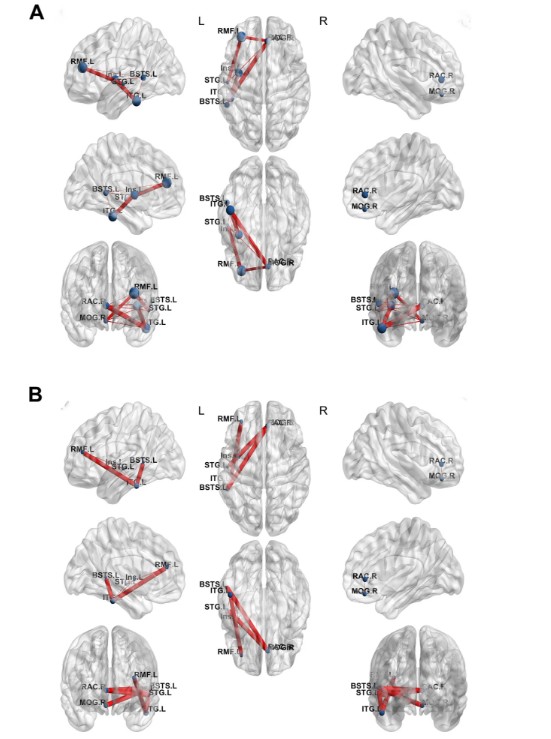
Researchers analyzed implanted brain-electrode recordings before and after radiofrequency thermocoagulation (RF-TC) to show how targeted heat treatment reshapes seizure-related brain networks.
Researchers identify early brain connectivity signals that may help predict treatment response after minimally invasive epilepsy treatment
CHINA, May 15, 2026 /EINPresswire.com/ -- A retrospective study of 17 drug-resistant epilepsy patients found that stereo-electroencephalography-guided radiofrequency thermocoagulation (RF-TC) rapidly altered brain network connectivity after treatment. Reductions in alpha-band connectivity within epileptogenic regions were linked to clinical outcomes, suggesting that short resting-state recordings may help predict treatment response. Findings support RF-TC as a network-modulating therapy rather than a purely local lesioning procedure and highlight its potential role in guiding more personalized epilepsy care.Drug-resistant epilepsy affects millions of people worldwide and remains one of the most difficult neurological disorders to treat. For patients whose seizures continue despite medication, surgical removal of seizure-causing tissue can be effective. However, surgery is not always feasible, particularly when the epileptogenic zone overlaps with regions responsible for critical functions such as language or movement. Stereo-electroencephalography-guided radiofrequency thermocoagulation (RF-TC) uses implanted electrodes to deliver targeted heat lesions, offering a potential treatment option with reduced surgical burden and recovery time.
A research team led by Professor Haifeng Shu and Dr. Xin Chen from the Department of Neurosurgery, College of Medicine, at the General Hospital of Western Theater Command, Southwest Jiaotong University, China, investigated how RF-TC changes communication pathways inside the brain and whether those changes relate to seizure improvement. By analyzing functional connectivity before and after treatment, the team sought to understand whether RF-TC acts as more than a local tissue-destroying procedure. This paper was made available online and was published in Volume 12, Article Number 9 of the Chinese Neurosurgical Journal on March 12, 2026.
The researchers retrospectively studied 17 patients with medically refractory epilepsy who underwent stereo-electroencephalography monitoring followed by RF-TC. They examined awake resting-state recordings collected before treatment and immediately afterwards. Using advanced signal analysis, they measured how strongly different brain regions synchronized across delta, theta, alpha, beta, and gamma frequency bands. They also applied graph theory methods to assess whether important communication hubs within seizure networks became weaker or reorganized after treatment in detail.
The most prominent effects were seen in the alpha frequency band, which is often associated with stable long-range brain communication. After RF-TC, connectivity both within epileptogenic zones and between those zones and other sampled regions significantly decreased. Several network properties also changed, including reduced betweenness centrality, suggesting that seizure-driving pathways became less dominant after treatment. These findings support the idea that RF-TC may disrupt abnormal network synchronization rather than simply destroying a small target area locally.
Clinical outcomes also mattered. Patients who did not achieve meaningful seizure reduction showed stronger declines in alpha- and theta-band connectivity, suggesting broader but less beneficial network disruption. In contrast, patients who improved demonstrated increased gamma-band clustering, which may reflect healthier local circuit reorganization after pathological pathways were weakened following therapy.
“RF-TC appears to influence the epileptic brain as a network therapy rather than only a focal lesion,” said Prof. Shu. “Early electrophysiological signals after treatment may help clinicians understand whether the intervention is likely to be successful.”
The findings may have immediate practical value. If short post-procedure recordings can predict response, physicians may be able to assess effectiveness earlier and adjust treatment strategies accordingly. This may include considering additional interventions or alternative therapies in a more timely manner.
The study also has broader implications for neuroscience and precision medicine. Understanding how targeted thermal therapy reshapes dysfunctional circuits may guide future collaborations among neurosurgeons, engineers, imaging specialists, and computational scientists working on personalized treatments for epilepsy and other brain disorders globally.
Dr. Chen added, “Our long-term goal is to combine brain-network analysis with individualized intervention planning so that each patient receives the most effective and least invasive treatment possible.”
While the authors note that larger prospective studies are still needed, the current results suggest that RF-TC may represent an important step toward network-guided epilepsy care worldwide.
***
Reference
Title of original paper: Alteration of functional connectivity and network properties after stereo-electroencephalography guided radiofrequency thermocoagulation
Journal: Chinese Neurosurgical Journal
DOI: 10.1186/s41016-026-00428-8
About Southwest Jiaotong University
Southwest Jiaotong University (SWJTU) is a leading engineering-focused institution in Chengdu, founded in 1896 as the Imperial Chinese Railway College. It operates under the Ministry of Education of China and is part of the Double First-Class initiative. Known as the “cradle of railway engineers,” SWJTU excels in civil, mechanical, and transportation engineering, particularly high-speed rail research. The university offers diverse programs across disciplines, supports advanced research, and maintains strong international collaborations, contributing significantly to China’s technological and educational development.
About Professor Haifeng Shu
Dr. Haifeng Shu is a Professor in the Department of Neurosurgery at the General Hospital of the Western Theater Command, affiliated with Southwest Jiaotong University in Chengdu, China. His research focuses on epilepsy and related neurological disorders, including tuberous sclerosis complex, focal cortical dysplasia, and intractable epilepsy, as well as the biology of neural and glioma stem cells. His work integrates clinical practice with translational research to advance neurosurgical treatments for complex neurological conditions.
About Dr. Xin Chen
Dr. Xin Chen is a neurosurgeon at the Department of Neurosurgery, General Hospital of the Western Theater Command, affiliated with Southwest Jiaotong University, Chengdu, China. He has authored over 50 publications, with substantial citations reflecting his contributions to neurosurgical research. His expertise includes epilepsy, intracranial monitoring, minimally invasive neurosurgery, and the management of refractory neurological disorders. His recent work focuses on the network mechanisms of epilepsy and precision interventions using stereo-electroencephalography-guided therapies to improve outcomes in patients with drug-resistant seizures.
Funding information
This work was supported by the Sichuan Tianfu Qingcheng Plan Project (no. 1867). The role of the sponsor in the study was in the study design and the decision to submit the article for publication.
Yi Lu
Chinese Neurosurgical Journal
+861059978478 ext.
luyi617@sina.cn
Legal Disclaimer:
EIN Presswire provides this news content "as is" without warranty of any kind. We do not accept any responsibility or liability for the accuracy, content, images, videos, licenses, completeness, legality, or reliability of the information contained in this article. If you have any complaints or copyright issues related to this article, kindly contact the author above.
