

Get your daily news on global issues
Provided by AGP
Historic Building Renovations Drive Growing Interest in Vacuum Insulated Glass Across Europe and North America
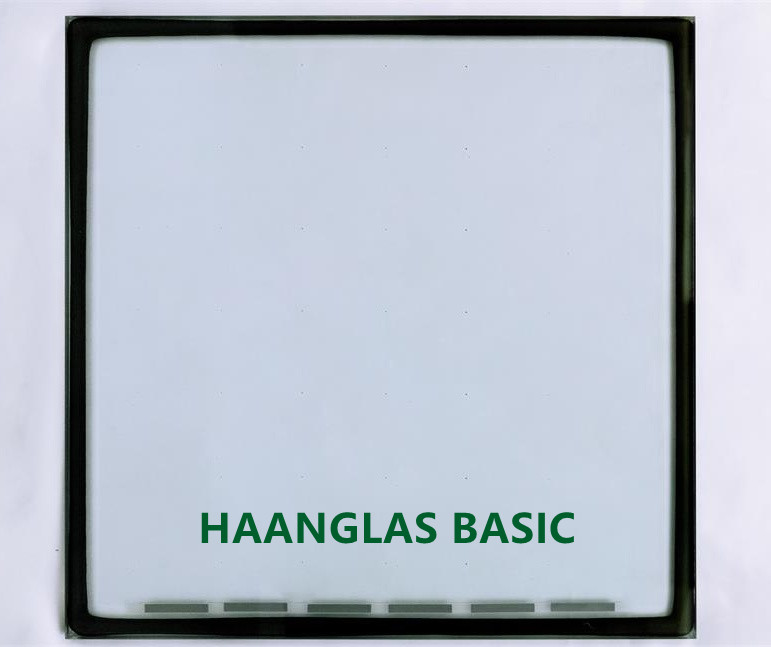
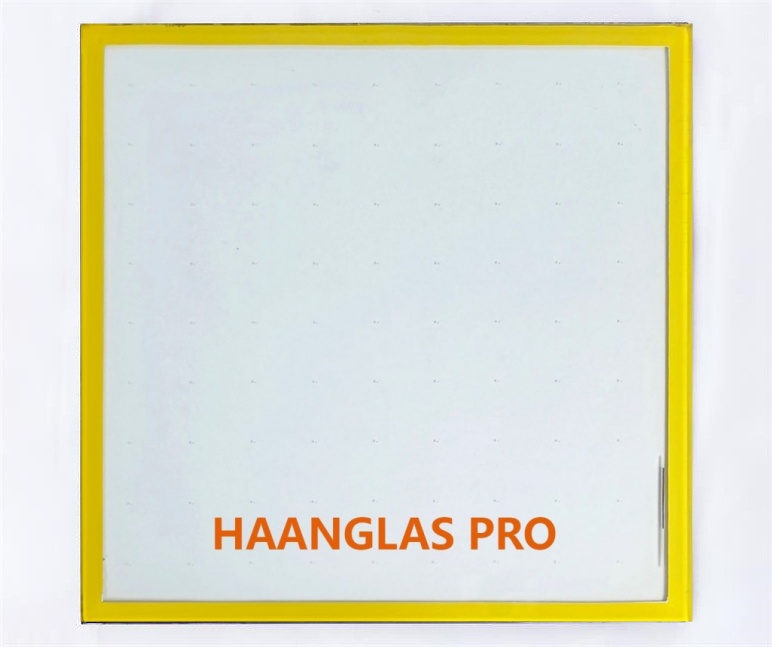
HAANGLAS VIG PRO
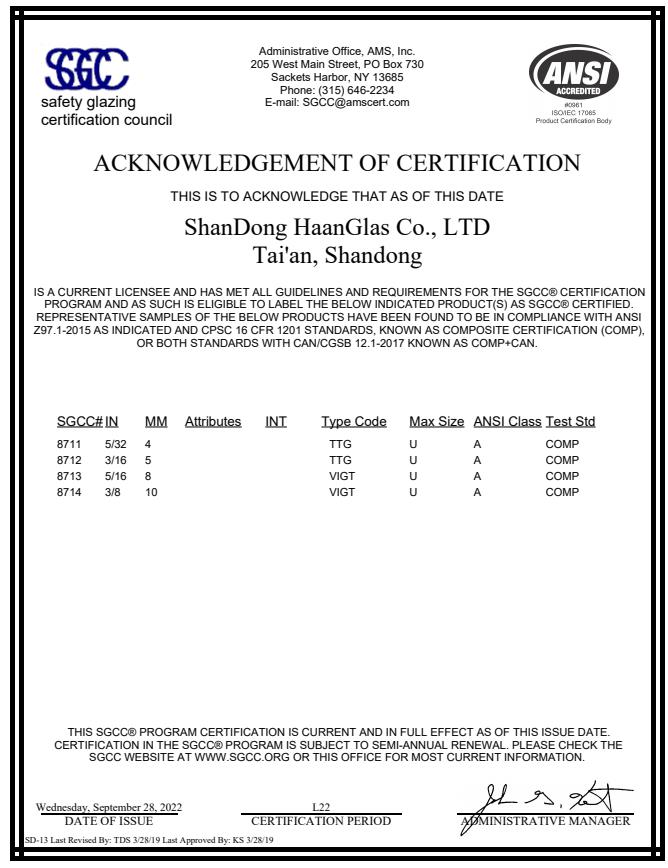
HaanGlas SGCC certificate
This growing demand for balanced renovation solutions is bringing renewed attention to Vacuum-insulated glass (VIG), an advanced glazing technology designed to deliver high thermal insulation within an ultra-thin structure.
Across Europe, governments continue to strengthen building performance standards through various decarbonization and renovation initiatives aimed at reducing energy consumption in existing buildings. Many historic properties, however, were constructed long before modern insulation standards existed. Original single-glazing and aging window systems often contribute to significant heat loss, indoor discomfort, condensation issues, and rising heating expenses.
At the same time, heritage preservation regulations in many countries limit the extent to which original facades, sash windows, and traditional frames can be modified. In conservation districts and listed buildings, replacing original windows with modern thick glazing systems may not always be permitted or technically practical.
This challenge has created growing interest in slimmer glazing technologies that can improve insulation performance while maintaining the appearance and character of historic architecture.
Vacuum-insulated glass differs from traditional double and triple-glazing systems through the use of a vacuum gap between two panes of glass. Because a vacuum dramatically reduces heat transfer, VIG can achieve strong thermal insulation performance while remaining significantly thinner than many conventional insulating glass units.
For retrofit projects involving older timber, steel, or aluminum window frames, this thinner structure can be particularly valuable. In many cases, retrofit specialists aim to preserve existing frames rather than replace entire window systems, helping reduce construction disruption, maintain architectural authenticity, and lower renovation complexity.
Architects and facade consultants working on historic renovation projects are also paying closer attention to the weight of modern glazing systems. Conventional triple glazing can add substantial load to aging frames and hardware, especially in older buildings not originally designed for heavier insulated glass units. The relatively lightweight profile of vacuum insulated glass may help address some of these structural concerns while still supporting improved energy performance.
In colder regions such as Northern Europe, Canada, and the northern United States, improving window insulation has become increasingly important due to rising energy costs and stricter efficiency standards. Poor-performing windows remain one of the primary sources of building heat loss during winter months, particularly in older structures.
Industry professionals note that better thermal insulation can contribute not only to reduced heating demand, but also to improved indoor comfort. Interior glass surfaces that remain warmer during cold weather may help reduce condensation formation around windows, an issue commonly associated with older buildings. Reducing condensation can also support healthier indoor environments by lowering the risk of moisture-related damage and mold growth.
Beyond thermal performance, urban renovation projects are increasingly considering occupant comfort as a broader design priority. In densely populated city environments, advanced glazing systems may also help improve acoustic insulation by reducing outside noise intrusion from traffic and surrounding urban activity.
The growing adoption of heat pump systems and building electrification strategies is further increasing attention on building envelope performance. As more residential and commercial buildings transition away from fossil-fuel-based heating systems, reducing heat loss through windows and facades is becoming an essential part of long-term energy planning.
Across the glazing industry, many experts now view window retrofits as one of the most important opportunities in the transition toward low-carbon buildings. Unlike new construction projects, retrofit projects often require solutions that can adapt to existing structures, irregular dimensions, and preservation requirements.
This has encouraged manufacturers, architects, and retrofit specialists to explore thinner, high-performance glazing alternatives that combine energy efficiency with design flexibility.
Historic building renovation is expected to remain a significant market segment throughout the coming decade, particularly as governments continue promoting sustainable renovation over demolition and reconstruction. Reusing and upgrading existing buildings is increasingly recognized as a practical strategy for reducing embodied carbon while preserving cultural and architectural heritage.
As renovation activity expands across Europe and North America, vacuum-insulated glass is emerging as part of a broader industry shift toward lightweight, slim-profile, and energy-efficient building materials capable of meeting both preservation and sustainability goals.
For many historic buildings, the challenge is no longer simply whether energy upgrades are necessary, but how these upgrades can be implemented while respecting the architectural identity that makes these structures valuable in the first place.
HAN XIAOQING
ShanDong HaanGlas CO.,LTD
+86 177 0546 4660
email us here
Legal Disclaimer:
EIN Presswire provides this news content "as is" without warranty of any kind. We do not accept any responsibility or liability for the accuracy, content, images, videos, licenses, completeness, legality, or reliability of the information contained in this article. If you have any complaints or copyright issues related to this article, kindly contact the author above.
